What regular maintenance can help prevent water damage?
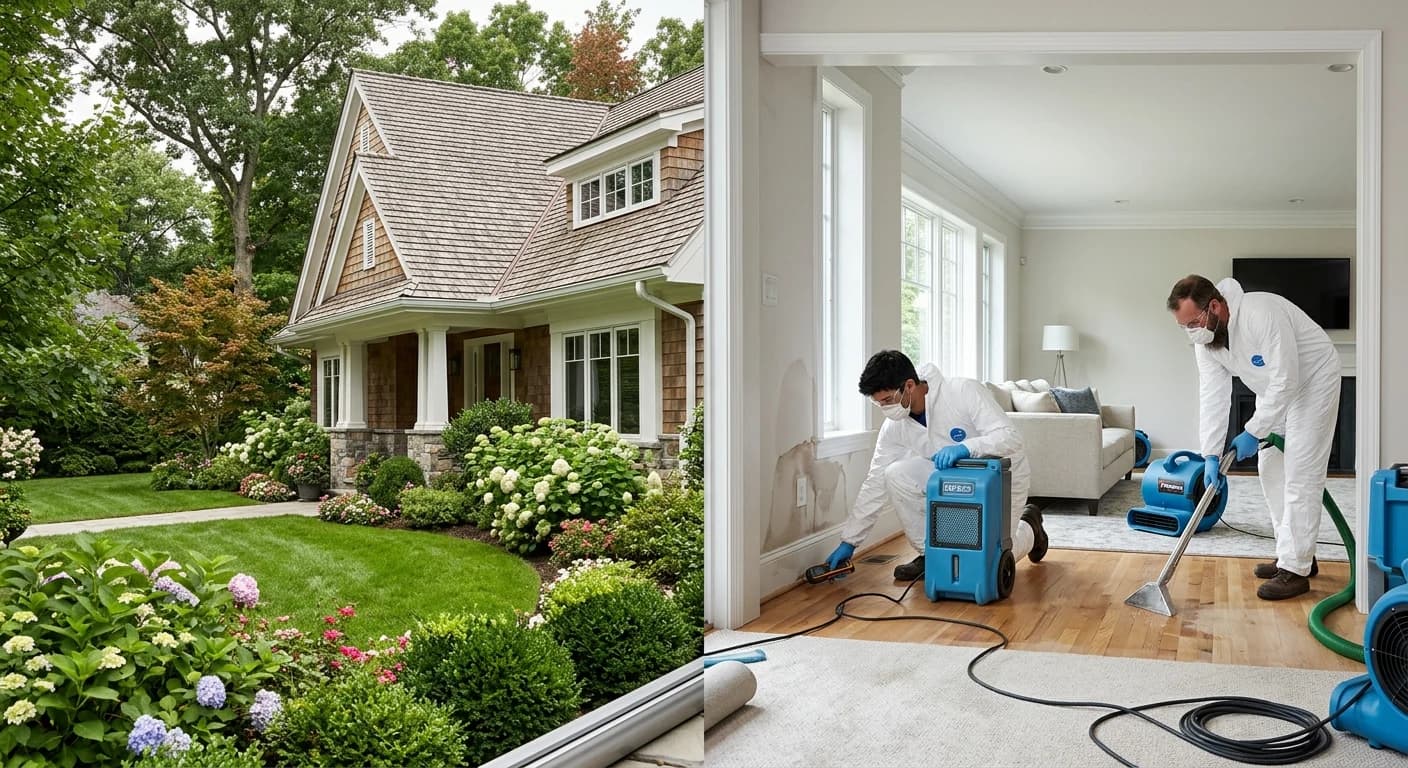
Regular maintenance is key to preventing water damage, a common issue in many homes, including those in Alpine, NJ. Start by inspecting your home's roof for missing or damaged shingles, as these can allow water to enter during rainstorms. It's advisable to schedule a bi-annual roof inspection, especially after severe weather events, to ensure that any minor issues are promptly addressed.
Ensure that gutters and downspouts are clear of debris to prevent water from pooling around your foundation. Clogged gutters can lead to overflow, which not only damages the exterior of your home but can also lead to basement flooding. Installing gutter guards can be a worthwhile investment to reduce the frequency of cleanings.
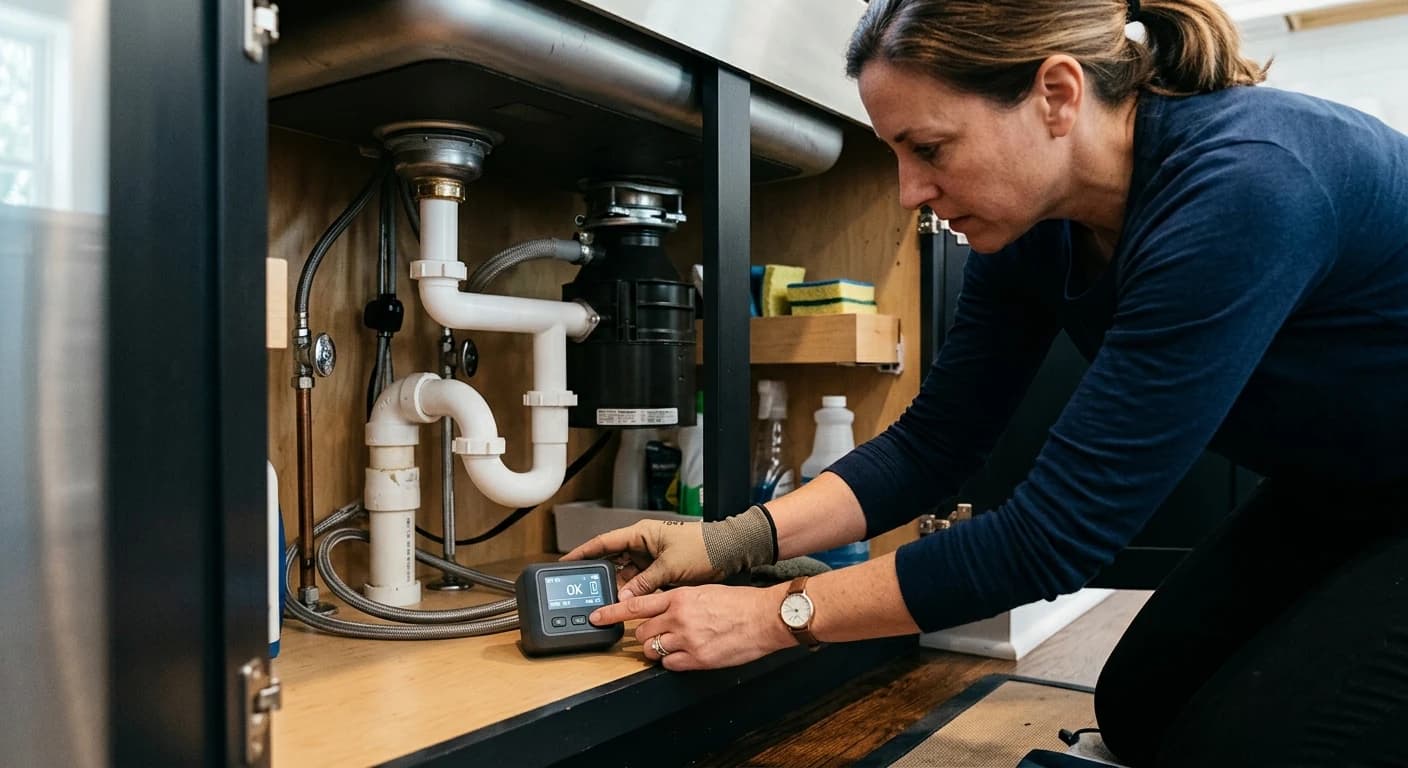
Additionally, checking for leaks in plumbing fixtures and pipes can prevent small issues from becoming major problems. Inspect under sinks, around toilets, and near appliances like water heaters for any signs of moisture. Using a flashlight can help spot hard-to-see leaks, and employing a moisture meter can provide further assurance.
Moreover, consider scheduling annual plumbing inspections. Plumbers can use advanced tools like thermal imaging cameras to detect hidden leaks behind walls or under floors. These proactive steps can save you time and money in the long run by addressing potential issues before they escalate.
Ensure that gutters and downspouts are clear of debris to prevent water from pooling around your foundation. Clogged gutters can lead to overflow, which not only damages the exterior of your home but can also lead to basement flooding. Installing gutter guards can be a worthwhile investment to reduce the frequency of cleanings.
Additionally, checking for leaks in plumbing fixtures and pipes can prevent small issues from becoming major problems. Inspect under sinks, around toilets, and near appliances like water heaters for any signs of moisture. Using a flashlight can help spot hard-to-see leaks, and employing a moisture meter can provide further assurance.
Moreover, consider scheduling annual plumbing inspections. Plumbers can use advanced tools like thermal imaging cameras to detect hidden leaks behind walls or under floors. These proactive steps can save you time and money in the long run by addressing potential issues before they escalate.
How does landscaping play a role in water damage prevention?
Proper landscaping is an often-overlooked aspect of water damage prevention, yet it's crucial for maintaining the integrity of your home. Ensure that the ground slopes away from your home's foundation to prevent water from pooling during heavy rains. A slope of at least six inches over a 10-foot span from the foundation is recommended to keep water at bay.
Additionally, planting trees and shrubs at a safe distance can prevent roots from interfering with your foundation or underground pipes. The root systems of large trees can cause significant damage if planted too close to the structure. Consulting with a landscape architect can help you choose appropriate plant species and determine safe planting distances.
Using native plants that require less watering can also reduce the risk of overwatering and soil erosion, which can contribute to water damage. Native plants are adapted to local climate conditions and typically need less maintenance, making them an eco-friendly and cost-effective choice.
Furthermore, installing a rain garden can absorb excess rainwater and reduce runoff. These gardens are designed to capture and filter rainwater naturally, preventing it from entering your home's foundation. Explore more tips on our services page to learn how professional landscaping services can enhance your property's resilience against water damage.
Additionally, planting trees and shrubs at a safe distance can prevent roots from interfering with your foundation or underground pipes. The root systems of large trees can cause significant damage if planted too close to the structure. Consulting with a landscape architect can help you choose appropriate plant species and determine safe planting distances.
Using native plants that require less watering can also reduce the risk of overwatering and soil erosion, which can contribute to water damage. Native plants are adapted to local climate conditions and typically need less maintenance, making them an eco-friendly and cost-effective choice.
Furthermore, installing a rain garden can absorb excess rainwater and reduce runoff. These gardens are designed to capture and filter rainwater naturally, preventing it from entering your home's foundation. Explore more tips on our services page to learn how professional landscaping services can enhance your property's resilience against water damage.
What measures should be taken inside the home?
Inside your home, consider installing water sensors near appliances that use water, such as washing machines and dishwashers. These sensors can alert you to leaks before they cause significant damage. Many modern water sensors are smart devices that can send alerts directly to your smartphone, allowing for quick action even if you're not at home.
Additionally, maintaining a consistent humidity level with dehumidifiers can prevent condensation and mold growth. Mold not only causes structural damage but can also pose health risks to your family. Aim to keep indoor humidity levels between 30% and 50% for optimal comfort and safety.
Regularly inspecting and maintaining appliances and HVAC systems is also crucial to preventing unexpected leaks. Check hoses and connections for wear and tear, and replace them as needed. It's also wise to replace rubber hoses with stainless steel braided hoses, which are more durable and less prone to bursting.
Moreover, consider installing a whole-house water shut-off system. These systems can automatically shut off the water supply if a leak is detected, providing an added layer of protection. Investing in regular professional inspections of your HVAC system can help identify potential issues, such as clogged condensate drains, that could lead to water damage.
By implementing these measures, you can significantly reduce the risk of water damage in your home, ensuring a safe and healthy living environment for you and your family.
Additionally, maintaining a consistent humidity level with dehumidifiers can prevent condensation and mold growth. Mold not only causes structural damage but can also pose health risks to your family. Aim to keep indoor humidity levels between 30% and 50% for optimal comfort and safety.
Regularly inspecting and maintaining appliances and HVAC systems is also crucial to preventing unexpected leaks. Check hoses and connections for wear and tear, and replace them as needed. It's also wise to replace rubber hoses with stainless steel braided hoses, which are more durable and less prone to bursting.
Moreover, consider installing a whole-house water shut-off system. These systems can automatically shut off the water supply if a leak is detected, providing an added layer of protection. Investing in regular professional inspections of your HVAC system can help identify potential issues, such as clogged condensate drains, that could lead to water damage.
By implementing these measures, you can significantly reduce the risk of water damage in your home, ensuring a safe and healthy living environment for you and your family.
How can technology assist in preventing water damage?
Incorporating technology into your home can significantly enhance your ability to prevent water damage. Smart home devices, such as leak detectors and automatic shut-off valves, offer advanced solutions for monitoring and controlling water usage. Leak detectors can be placed in high-risk areas like basements, under sinks, and near water heaters. These devices alert you immediately via smartphone notifications if they detect moisture or unusual water flow, allowing you to address issues swiftly before they escalate.
Automatic shut-off valves are another valuable investment. These systems can be installed on your main water line and are designed to automatically cut off the water supply if a leak is detected, mitigating the risk of extensive damage. Some systems even allow for remote operation, giving you control over your home’s water supply from anywhere in the world.
Additionally, consider integrating a smart irrigation system for your landscaping needs. These systems use weather data to optimize watering schedules, reducing the risk of overwatering and subsequent water damage to your foundation. By leveraging technology, you not only enhance the safety of your home but also improve efficiency and potentially reduce water bills, making it a smart choice for modern homeowners.
Automatic shut-off valves are another valuable investment. These systems can be installed on your main water line and are designed to automatically cut off the water supply if a leak is detected, mitigating the risk of extensive damage. Some systems even allow for remote operation, giving you control over your home’s water supply from anywhere in the world.
Additionally, consider integrating a smart irrigation system for your landscaping needs. These systems use weather data to optimize watering schedules, reducing the risk of overwatering and subsequent water damage to your foundation. By leveraging technology, you not only enhance the safety of your home but also improve efficiency and potentially reduce water bills, making it a smart choice for modern homeowners.
What role does insurance play in water damage prevention?
Insurance is a critical component in safeguarding your home against water damage. While prevention is the first line of defense, having the right insurance coverage ensures you're protected financially if damage occurs. Homeowners should review their policies to understand what types of water damage are covered. Standard policies typically cover sudden and accidental damage, such as burst pipes, but may exclude gradual damage or flooding from external sources.
Consider adding a water backup endorsement to your policy. This addition covers damage resulting from water backing up through sewers or drains, which is not typically included in standard policies. For those in flood-prone areas, obtaining separate flood insurance is crucial, as standard homeowners insurance does not cover flood damage.
Regularly updating your insurance policy to reflect home improvements or increased property value is also important. Keep an inventory of your home's contents, including photos and receipts, to facilitate the claims process if needed. Engaging with an insurance agent can provide clarity on your coverage limits and help identify any gaps. By ensuring adequate insurance coverage, you create a financial safety net that complements your preventative efforts, offering peace of mind in the face of potential water damage incidents.
Consider adding a water backup endorsement to your policy. This addition covers damage resulting from water backing up through sewers or drains, which is not typically included in standard policies. For those in flood-prone areas, obtaining separate flood insurance is crucial, as standard homeowners insurance does not cover flood damage.
Regularly updating your insurance policy to reflect home improvements or increased property value is also important. Keep an inventory of your home's contents, including photos and receipts, to facilitate the claims process if needed. Engaging with an insurance agent can provide clarity on your coverage limits and help identify any gaps. By ensuring adequate insurance coverage, you create a financial safety net that complements your preventative efforts, offering peace of mind in the face of potential water damage incidents.
How can you protect your home during severe weather events?
Protecting your home during severe weather events is crucial to preventing water damage. Start by reinforcing your windows and doors. Installing storm shutters or using plywood can provide extra protection against high winds and flying debris. Ensure that all windows and doors are properly sealed to prevent water intrusion. Checking and reinforcing seals and weather stripping can make a significant difference.
Another important step is to secure outdoor items that could become projectiles in strong winds. This includes patio furniture, grills, and garden tools. Store these items in a garage or shed, or securely anchor them to prevent movement.
If you have a sump pump, ensure it is in good working condition before any predicted storms. Test it regularly and have a backup power source, such as a battery or generator, to keep it operational during power outages. A functional sump pump can prevent basement flooding by effectively removing excess water.
Additionally, consider installing flood barriers or sandbags around vulnerable areas of your home, especially if you are in a flood-prone area. These barriers can help divert water away from your foundation and reduce the risk of interior flooding. By taking these proactive measures, you can significantly reduce the potential for water damage during severe weather events, ensuring your home remains safe and dry.
Another important step is to secure outdoor items that could become projectiles in strong winds. This includes patio furniture, grills, and garden tools. Store these items in a garage or shed, or securely anchor them to prevent movement.
If you have a sump pump, ensure it is in good working condition before any predicted storms. Test it regularly and have a backup power source, such as a battery or generator, to keep it operational during power outages. A functional sump pump can prevent basement flooding by effectively removing excess water.
Additionally, consider installing flood barriers or sandbags around vulnerable areas of your home, especially if you are in a flood-prone area. These barriers can help divert water away from your foundation and reduce the risk of interior flooding. By taking these proactive measures, you can significantly reduce the potential for water damage during severe weather events, ensuring your home remains safe and dry.
Why is it important to educate your household about water damage prevention?
Educating your household about water damage prevention is a vital step in safeguarding your home. Awareness and understanding can empower everyone in the household to take part in preventive measures. Start by explaining the common signs of water damage, such as musty odors, discoloration on walls or ceilings, and the presence of mold. Encourage family members to report these signs immediately.
Teach everyone how to locate and shut off the main water valve. In the event of a major leak, quick action can prevent extensive damage. Conduct regular drills to ensure everyone knows what to do in an emergency, much like a fire drill.
Incorporate water-saving habits into daily routines, such as turning off taps tightly, taking shorter showers, and fixing leaks promptly. These habits not only prevent unnecessary water usage but also reduce the risk of water damage over time.
Additionally, involve your family in regular maintenance tasks, such as checking for leaks under sinks and around appliances. This not only lightens the load but also reinforces the importance of vigilance.
By fostering a culture of awareness and responsibility, you create a first line of defense against water damage. This collective effort ensures that everyone is prepared to act swiftly and effectively, minimizing the risk of costly repairs and maintaining a safe living environment.
Teach everyone how to locate and shut off the main water valve. In the event of a major leak, quick action can prevent extensive damage. Conduct regular drills to ensure everyone knows what to do in an emergency, much like a fire drill.
Incorporate water-saving habits into daily routines, such as turning off taps tightly, taking shorter showers, and fixing leaks promptly. These habits not only prevent unnecessary water usage but also reduce the risk of water damage over time.
Additionally, involve your family in regular maintenance tasks, such as checking for leaks under sinks and around appliances. This not only lightens the load but also reinforces the importance of vigilance.
By fostering a culture of awareness and responsibility, you create a first line of defense against water damage. This collective effort ensures that everyone is prepared to act swiftly and effectively, minimizing the risk of costly repairs and maintaining a safe living environment.