What are the subtle signs of water damage?
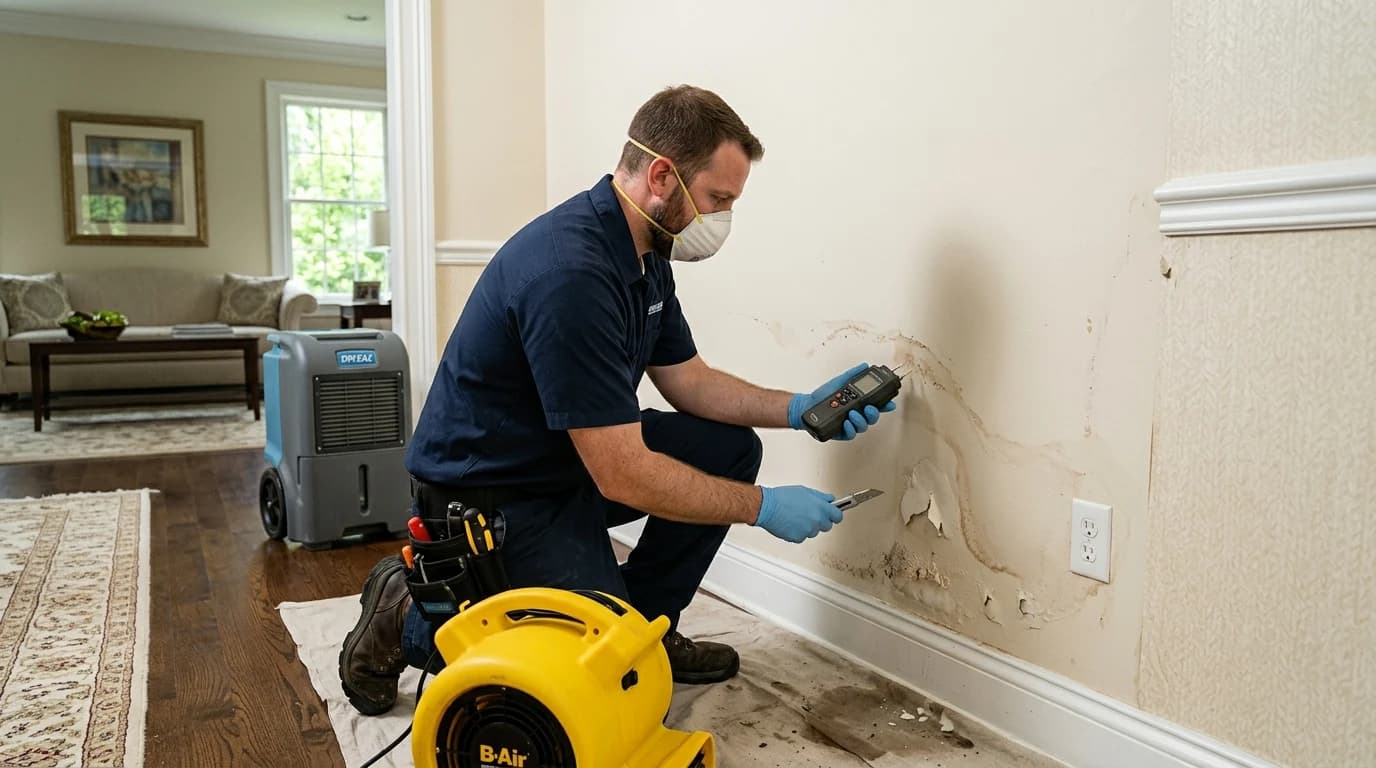
Many homeowners may not immediately recognize the subtle signs of water damage. Look for discoloration on walls or ceilings, which might appear as small spots or streaks. These could indicate leaks or seepage problems. If you notice paint or wallpaper peeling, it might be due to moisture buildup behind the surface. Mold and mildew are also telltale signs, often accompanied by a musty odor. Regularly inspecting these areas can help you catch issues early, preventing more severe damage.
In addition to visual cues, pay attention to other signs such as warped flooring or bubbling paint. These are indicators that moisture has penetrated surfaces. Unexplained increases in your water bill can also suggest hidden leaks. It's important to check areas prone to water exposure, such as basements, attics, and under sinks. Early detection can prevent minor issues from escalating into major repairs.
In addition to visual cues, pay attention to other signs such as warped flooring or bubbling paint. These are indicators that moisture has penetrated surfaces. Unexplained increases in your water bill can also suggest hidden leaks. It's important to check areas prone to water exposure, such as basements, attics, and under sinks. Early detection can prevent minor issues from escalating into major repairs.
How can water damage affect my home’s structure?
Water damage can compromise the structural integrity of your home if left unchecked. It can weaken foundations, rot wooden structures, and cause metal fixtures to rust. Over time, this can lead to significant safety hazards and costly repairs. For residents in Alpine, consulting a professional water damage restoration service can provide a detailed assessment of your home's condition. To learn more, consider reaching out via our services page.
Structural damage often starts subtly and worsens over time. For instance, wooden beams and supports can become soft and weak, leading to sagging floors or ceilings. Electrical systems are also at risk, as water can corrode wiring and create short circuits, posing a fire hazard. Regular maintenance and inspections, especially after heavy rainfalls or snow melts, are crucial. By addressing leaks or seepage promptly, you can maintain the integrity and safety of your home.
Structural damage often starts subtly and worsens over time. For instance, wooden beams and supports can become soft and weak, leading to sagging floors or ceilings. Electrical systems are also at risk, as water can corrode wiring and create short circuits, posing a fire hazard. Regular maintenance and inspections, especially after heavy rainfalls or snow melts, are crucial. By addressing leaks or seepage promptly, you can maintain the integrity and safety of your home.
What tools can help detect water damage early?
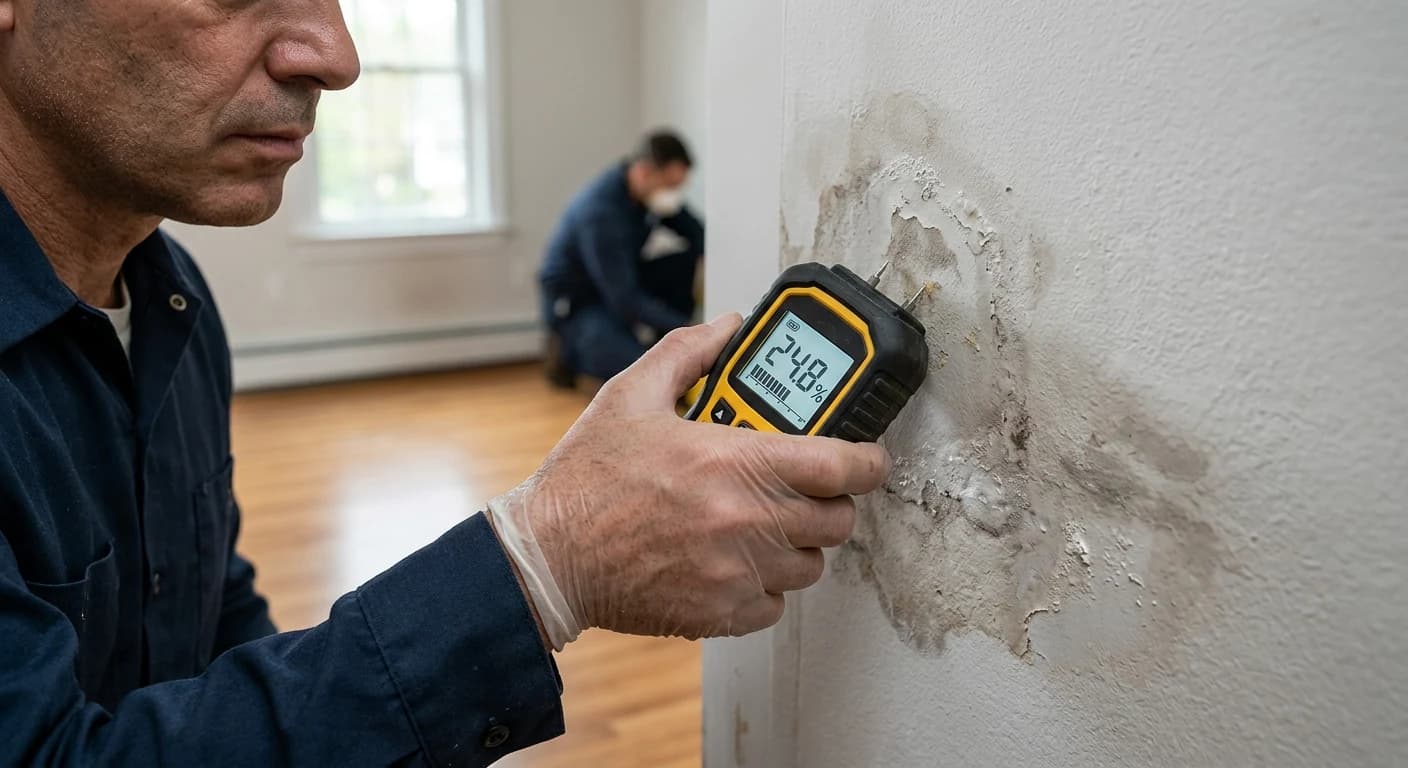
Investing in tools like moisture meters can help detect water damage early. These devices measure the moisture content in materials, helping you identify damp spots that aren't visible. Infrared cameras can also be useful, as they detect temperature differences that may indicate moisture. Regularly checking your home with these tools can save you from unexpected water damage problems.
For homeowners in Alpine, NJ, it's beneficial to have a basic understanding of how to use these tools. Moisture meters come in two types: pin and pinless. Pin meters use probes to measure moisture, while pinless meters use electromagnetic signals. Infrared cameras, on the other hand, provide a visual representation of temperature differences, highlighting potential problem areas. Additionally, smart home water sensors can alert you to leaks in real-time, allowing for immediate action. By combining these technologies, you can create a comprehensive strategy to monitor and address water damage proactively.
For homeowners in Alpine, NJ, it's beneficial to have a basic understanding of how to use these tools. Moisture meters come in two types: pin and pinless. Pin meters use probes to measure moisture, while pinless meters use electromagnetic signals. Infrared cameras, on the other hand, provide a visual representation of temperature differences, highlighting potential problem areas. Additionally, smart home water sensors can alert you to leaks in real-time, allowing for immediate action. By combining these technologies, you can create a comprehensive strategy to monitor and address water damage proactively.
How to Prevent Water Damage Through Regular Maintenance?
Preventing water damage is often more cost-effective than addressing it after it occurs. Regular maintenance is key to safeguarding your home from potential water-related issues. Start by inspecting your roof for missing or damaged shingles, as these can allow water to seep in during heavy rains. Ensure gutters and downspouts are clear of debris to facilitate proper water drainage away from your home's foundation. Clogged gutters can lead to water overflow, which may cause basement flooding or foundation damage.
In addition to exterior checks, focus on your plumbing system. Regularly inspect pipes for leaks or corrosion, and replace any worn-out hoses, especially those connected to washing machines and dishwashers. Installing a sump pump in your basement can also be a wise investment, as it helps keep the area dry by pumping out excess water. Don’t forget to seal any cracks in walls or foundations with waterproof sealant to prevent seepage. By incorporating these practices into your routine maintenance schedule, you can significantly reduce the risk of water damage and protect your home’s value over time.
In addition to exterior checks, focus on your plumbing system. Regularly inspect pipes for leaks or corrosion, and replace any worn-out hoses, especially those connected to washing machines and dishwashers. Installing a sump pump in your basement can also be a wise investment, as it helps keep the area dry by pumping out excess water. Don’t forget to seal any cracks in walls or foundations with waterproof sealant to prevent seepage. By incorporating these practices into your routine maintenance schedule, you can significantly reduce the risk of water damage and protect your home’s value over time.
Why Professional Inspections Are Essential for Water Damage Prevention
While regular DIY inspections are beneficial, professional assessments offer a more comprehensive evaluation of potential water damage risks. Experts have the knowledge and tools to identify issues that might not be apparent to the untrained eye. They can conduct thorough inspections of your home's plumbing, roofing, and foundation, pinpointing vulnerabilities that could lead to future water damage.
Professional inspectors can also provide valuable recommendations tailored to your specific needs, such as installing additional drainage solutions or reinforcing existing structures. In areas prone to heavy rainfall or snow, like some parts of New Jersey, these assessments are particularly crucial. They can help you prepare for seasonal changes that might increase the risk of water intrusion. Furthermore, having a professional inspection report can be advantageous when filing insurance claims, as it provides documented evidence of your proactive maintenance efforts. Engaging with a reputable water damage restoration service for regular inspections ensures that you are well-equipped to handle potential water threats efficiently.
Professional inspectors can also provide valuable recommendations tailored to your specific needs, such as installing additional drainage solutions or reinforcing existing structures. In areas prone to heavy rainfall or snow, like some parts of New Jersey, these assessments are particularly crucial. They can help you prepare for seasonal changes that might increase the risk of water intrusion. Furthermore, having a professional inspection report can be advantageous when filing insurance claims, as it provides documented evidence of your proactive maintenance efforts. Engaging with a reputable water damage restoration service for regular inspections ensures that you are well-equipped to handle potential water threats efficiently.
Understanding the Impact of Humidity on Water Damage
Humidity levels in your home can significantly influence the likelihood of water damage. High humidity can lead to condensation on walls, windows, and other surfaces, creating an environment conducive to mold growth and structural deterioration. To mitigate these risks, it's crucial to monitor and manage indoor humidity levels effectively. Aim to keep humidity between 30% and 50% using dehumidifiers or air conditioning systems, especially during the warmer months.
In bathrooms and kitchens, where moisture is frequently present, ensure proper ventilation by using exhaust fans to expel humid air. Regularly check and maintain these fans to ensure they are functioning efficiently. Additionally, be vigilant about signs of excess moisture, such as persistent condensation on windows or musty odors, which may indicate hidden water issues. For those living in regions with naturally high humidity, like parts of New Jersey, investing in a whole-house dehumidifier could be beneficial. By keeping your home's humidity in check, you reduce the risk of water damage and enhance the overall comfort and air quality of your living space.
In bathrooms and kitchens, where moisture is frequently present, ensure proper ventilation by using exhaust fans to expel humid air. Regularly check and maintain these fans to ensure they are functioning efficiently. Additionally, be vigilant about signs of excess moisture, such as persistent condensation on windows or musty odors, which may indicate hidden water issues. For those living in regions with naturally high humidity, like parts of New Jersey, investing in a whole-house dehumidifier could be beneficial. By keeping your home's humidity in check, you reduce the risk of water damage and enhance the overall comfort and air quality of your living space.
The Role of Landscaping in Preventing Water Damage
Landscaping can play a crucial role in preventing water damage to your home. Proper grading around your property ensures that water flows away from the foundation, reducing the risk of seepage and basement flooding. When planning your landscape, make sure the ground slopes away from your house at a gradient of at least 6 inches over 10 feet. This simple adjustment can significantly decrease the likelihood of water pooling near your foundation.
Incorporate drainage solutions such as French drains or swales to manage excess water effectively. These systems help redirect water away from your home and into safe drainage areas. Additionally, be mindful of where you plant trees and shrubs; their roots can interfere with underground pipes and drainage systems, potentially causing leaks or blockages. Opt for native plants that require less watering, which not only conserves water but also minimizes the risk of over-saturation in the soil.
Regularly maintain your landscape by clearing debris from drainage systems and trimming back plants that are too close to your home. By integrating thoughtful landscaping practices, you can create a natural barrier against water intrusion and protect your property from potential damage.
Incorporate drainage solutions such as French drains or swales to manage excess water effectively. These systems help redirect water away from your home and into safe drainage areas. Additionally, be mindful of where you plant trees and shrubs; their roots can interfere with underground pipes and drainage systems, potentially causing leaks or blockages. Opt for native plants that require less watering, which not only conserves water but also minimizes the risk of over-saturation in the soil.
Regularly maintain your landscape by clearing debris from drainage systems and trimming back plants that are too close to your home. By integrating thoughtful landscaping practices, you can create a natural barrier against water intrusion and protect your property from potential damage.
How to Address Water Damage Quickly and Effectively
When water damage is detected, swift action is essential to minimize its impact. The first step is to identify and stop the source of the water intrusion. This might involve shutting off the main water supply or repairing a broken pipe. Once the water source is controlled, it's crucial to remove any standing water as soon as possible. Use wet/dry vacuums, mops, or towels to soak up water, and consider renting industrial-grade fans or dehumidifiers to speed up the drying process.
Next, assess the extent of the damage. Check walls, flooring, and furniture for signs of water absorption. Porous materials such as drywall and carpet are particularly susceptible to water damage and may need to be replaced if they cannot be thoroughly dried. For areas showing signs of mold growth, professional remediation services should be considered to ensure safe and effective removal.
Documenting the damage with photos and detailed notes can be helpful for insurance claims. Contact your insurance provider promptly to discuss coverage and next steps. In severe cases, hiring a water damage restoration specialist can ensure that all affected areas are properly addressed, helping to prevent future issues. By acting quickly and methodically, you can mitigate the damage and restore your home to its original condition.
Next, assess the extent of the damage. Check walls, flooring, and furniture for signs of water absorption. Porous materials such as drywall and carpet are particularly susceptible to water damage and may need to be replaced if they cannot be thoroughly dried. For areas showing signs of mold growth, professional remediation services should be considered to ensure safe and effective removal.
Documenting the damage with photos and detailed notes can be helpful for insurance claims. Contact your insurance provider promptly to discuss coverage and next steps. In severe cases, hiring a water damage restoration specialist can ensure that all affected areas are properly addressed, helping to prevent future issues. By acting quickly and methodically, you can mitigate the damage and restore your home to its original condition.
Choosing the Right Water Damage Restoration Service
Selecting a reliable water damage restoration service is crucial for effective recovery. Start by researching local companies with a strong reputation and positive customer reviews. Look for providers that offer 24/7 emergency response, as water damage often requires immediate attention. Verify that the company is licensed and insured, which ensures they meet industry standards and provides protection in case of accidental damage during restoration.
Inquire about the company’s experience and expertise in handling different types of water damage, from minor leaks to major floods. A reputable service will have trained technicians who can assess the damage accurately and provide a comprehensive restoration plan. Ask about the equipment and techniques they use; modern technology such as thermal imaging and industrial dehumidifiers can significantly enhance the restoration process.
Additionally, consider the company’s approach to customer service. Transparent communication and a detailed explanation of the restoration process can provide peace of mind during a stressful time. For residents in New Jersey, selecting a local service familiar with the area’s specific climate challenges can be beneficial. By choosing the right restoration partner, you ensure a thorough and efficient recovery, safeguarding your home against future water-related issues.
Inquire about the company’s experience and expertise in handling different types of water damage, from minor leaks to major floods. A reputable service will have trained technicians who can assess the damage accurately and provide a comprehensive restoration plan. Ask about the equipment and techniques they use; modern technology such as thermal imaging and industrial dehumidifiers can significantly enhance the restoration process.
Additionally, consider the company’s approach to customer service. Transparent communication and a detailed explanation of the restoration process can provide peace of mind during a stressful time. For residents in New Jersey, selecting a local service familiar with the area’s specific climate challenges can be beneficial. By choosing the right restoration partner, you ensure a thorough and efficient recovery, safeguarding your home against future water-related issues.